
Is Listening to Loud Music in the Car Dangerous for Your Hearing?
If you’ve driven down Ross Clark Circle with the windows open, you
By: admin | October 20, 2025
When it comes to maintaining your hearing and ear health, audiologists are the professionals who specialize in understanding how your ears work and what they need to function at their best. Many people think of audiologists only when they’re already struggling to hear, but these specialists do much more than fit hearing aids or diagnose hearing loss. They assess your overall ear health, monitor changes over time and provide guidance on protecting your hearing in your daily life. Regular visits help you stay informed about your hearing status and catch small changes before they become noticeable problems that affect your conversations, work performance or social interactions.
What makes audiologists valuable is their ability to look at the bigger picture of how hearing affects your daily life. They understand that clear hearing isn’t just about volume but about how well you can follow conversations in different settings, from quiet one-on-one chats to busy restaurants or meetings. When you find a qualified, local audiologist, you’re gaining access to a professional who can help you identify potential issues early, answer your questions about ear care and offer practical solutions that fit into your routine. It’s a straightforward way to take care of an important part of your health and ensure that you’re doing everything you can to keep your hearing sharp and your ears healthy for years to come.
Audiologists undergo extensive education and training to prepare them for their role in managing hearing and ear health. Most audiologists complete a doctoral degree in audiology, which typically includes several years of coursework in anatomy, physiology, hearing science and diagnostic techniques. This education provides a strong foundation for understanding how the ear functions, how hearing loss develops and how to evaluate and support patients with a range of hearing concerns.
In addition to classroom learning, audiologists complete supervised clinical training. During this time, they gain hands-on experience performing hearing assessments, fitting and adjusting hearing aids, and counseling patients on communication strategies. This practical experience helps audiologists learn to interpret test results accurately and make recommendations that meet each person’s unique needs. They also develop skills in working with people of all ages, from children to older adults, and in addressing a variety of hearing challenges.
Continuing education is an important part of an audiologist’s professional development. Audiologists stay up to date with new research, advances in hearing technology and evolving best practices in patient care. This ongoing learning ensures they can provide the most effective and current solutions for hearing health, helping patients maintain their hearing and communication abilities over time.
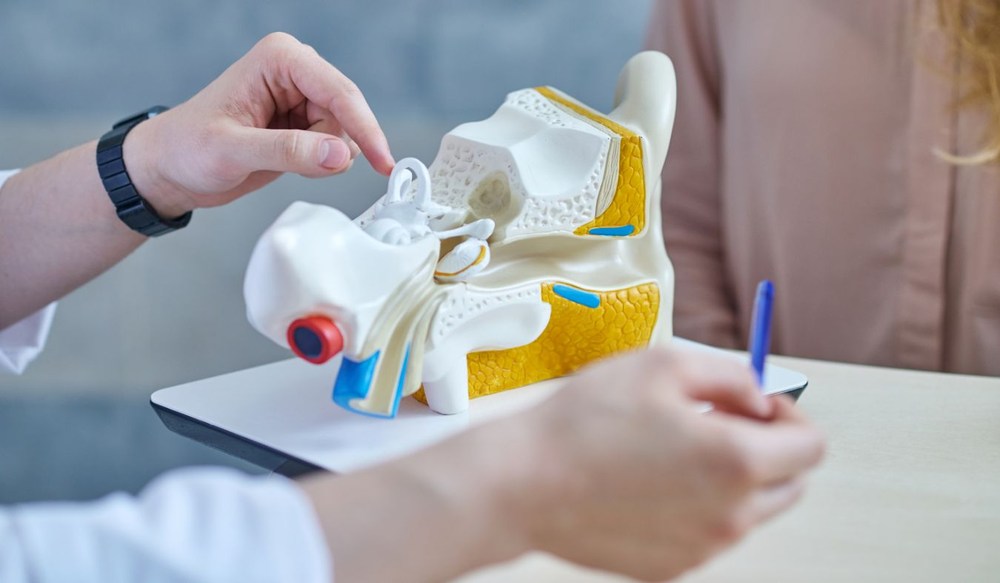
An audiologist plays a central role in supporting ear health through a variety of services. They provide comprehensive hearing testing to evaluate how well you hear and identify any changes over time. Audiologists also assist with hearing aid selection, fitting and ongoing adjustments to ensure devices work effectively for your lifestyle. Beyond hearing aids, they can remove earwax, offer guidance and treatment for tinnitus, help address balance concerns and provide education on protecting your hearing.
Earwax is a natural substance your ears produce to protect and clean the ear canal. It helps trap dust, debris and small particles, preventing them from reaching the eardrum. In most cases, earwax moves out of the ear on its own and does not cause any issues. However, sometimes it can build up and become impacted, which may make sounds seem muffled, cause a feeling of fullness in the ear or occasionally lead to discomfort.
When earwax becomes a problem, an audiologist can safely remove it using techniques designed to protect your ear canal and eardrum. They may use gentle irrigation, specialized suction devices or small instruments to clear the buildup. These methods are precise and controlled, minimizing the risk of injury and ensuring the ear remains healthy. Regular monitoring and professional removal, when necessary, help maintain clear hearing and prevent complications from excessive wax buildup.
Hearing tests are evaluations that measure how well your ears detect sounds at different pitches and volumes. These tests help determine whether you have normal hearing, reduced hearing or difficulty hearing certain frequencies. They are typically conducted by an audiologist using specialized equipment and techniques designed to assess both the sensitivity of your ears and how your brain processes sound.
There are several types of hearing tests, each focusing on a different aspect of hearing. Pure tone audiometry measures your ability to hear individual tones at various frequencies and volumes. Speech audiometry evaluates how well you can understand words and sentences at different sound levels. Tympanometry tests the movement of your eardrum to assess middle ear function, while otoacoustic emissions measure the responses of the inner ear to sound. Together, these tests provide a comprehensive view of your hearing and how each part of your ear contributes to detecting and interpreting sound.
Audiologists provide a full range of services to help individuals find and use hearing aids effectively. The process begins with selecting or recommending devices based on a person’s hearing test results, lifestyle and personal preferences. Audiologists consider factors like the degree and type of hearing loss, daily environments and comfort when recommending hearing aids. This ensures the devices are suited not just to your hearing needs but also to how you live, work and socialize.
Once a hearing aid is selected, the audiologist fits the device to your ear. This step ensures the hearing aid sits comfortably and securely, which is essential for both performance and ease of use. The fitting process may involve custom molds or adjustments to the physical shape of the device, so it feels natural in the ear and works efficiently without causing irritation. Proper fitting sets the foundation for effective hearing support.
After the hearing aids are fitted, audiologists program them using advanced tools like live speech mapping. This allows the devices to be tailored to your specific hearing profile, ensuring that sounds are clear and balanced across different environments. Audiologists also provide follow-up care, making adjustments as needed based on your feedback and real-world experience. These adjustments might include modifying volume levels, fine-tuning settings for particular situations or optimizing the device as your hearing changes over time.
An audiologist will help you select the right hearing aids for your needs. The process starts with a thorough review of your hearing test results, which provides a clear picture of the type and degree of hearing loss. From there, the audiologist considers your daily activities, work environment and personal preferences to recommend devices that fit your lifestyle. This ensures that the hearing aids not only improve your hearing but also work well in the situations that matter most to you.
During the selection process, an audiologist explains the different styles and features available, like behind-the-ear or in-the-ear models, as well as options for wireless connectivity, noise management and rechargeable batteries. They discuss the benefits and limitations of each option, helping you make an informed choice based on both performance and comfort.
Tinnitus, the perception of ringing, buzzing or other sounds in the ears, can be distracting and sometimes affect daily life. Audiologists help by evaluating the severity and possible triggers of tinnitus, often as part of a broader hearing assessment. Understanding the underlying factors allows them to recommend strategies and treatments tailored to each individual’s experience, helping reduce the impact of tinnitus on daily activities.
Treatment and relief options provided by audiologists can include sound therapy, which uses background or masking sounds to make tinnitus less noticeable, as well as counseling and coping strategies to manage stress and improve focus. In some cases, hearing aids can also help by amplifying external sounds, which can reduce the prominence of tinnitus. Audiologists work closely with you to find the approaches that bring the most relief, adjusting recommendations over time based on how your tinnitus responds to different strategies.
Audiologists help assess and manage a variety of balance issues that can stem from problems in the inner ear, which plays a key role in maintaining equilibrium. People may experience dizziness, unsteadiness, vertigo or a sensation of the room spinning, often making daily activities like walking, climbing stairs or even standing challenging. Audiologists evaluate these symptoms to determine whether they are related to the vestibular system in the inner ear or other contributing factors.
To address balance issues, audiologists use specialized tests that measure how the inner ear and brain work together to maintain stability. Based on the results, they develop personalized strategies to improve balance and reduce dizziness. This may include vestibular rehabilitation exercises, guidance on safe movement and techniques to retrain the brain to compensate for inner ear changes. By providing targeted support, audiologists help individuals regain confidence in their movements and maintain safety and independence in everyday life.
Audiologists develop care plans that are tailored to your individual hearing and ear health needs. The process begins with a thorough evaluation, including a review of your hearing test results, medical history and any concerns you may have about your ears or listening experiences. This helps the audiologist understand your specific situation and identify any factors that may affect your hearing now or in the future.
From there, the audiologist creates a plan that outlines the steps needed to maintain or improve your hearing. This can include strategies for protecting your ears from noise, recommendations for managing tinnitus or balance issues, guidance on hearing aids if needed and follow-up appointments to monitor progress. The care plan is designed to be practical and personalized, ensuring that the recommendations fit your lifestyle and provide support in a way that works for you. Regular review of the plan allows adjustments as your needs change, keeping your hearing care responsive and effective.
Taking care of your hearing and ear health doesn’t have to be complicated. Working with an audiologist gives you support and guidance tailored to your individual needs, whether that’s monitoring changes in your hearing, managing occasional ringing or balance concerns, or simply learning ways to protect your ears from everyday noise.
If you’re ready to take a proactive approach to your ear health, we can help. You can reach out to Physicians Hearing Center in Dothan, AL at (334) 441-4090 to schedule a consultation or ask questions about your hearing. Our team provides practical care focused on keeping your hearing reliable and your ears comfortable in everyday settings. It’s an easy step toward maintaining something that supports your communication, safety and daily routines.

If you’ve driven down Ross Clark Circle with the windows open, you
By: admin | August 24, 2026

Anyone who’s spent a season in Dothan knows that “spring” is
By: admin | May 18, 2026

There’s a version of yourself that you were before hearing became
By: admin | March 25, 2026